By Dr. Jenn Dobert | Licensed Pharmacist with 20+ Years’ Experience
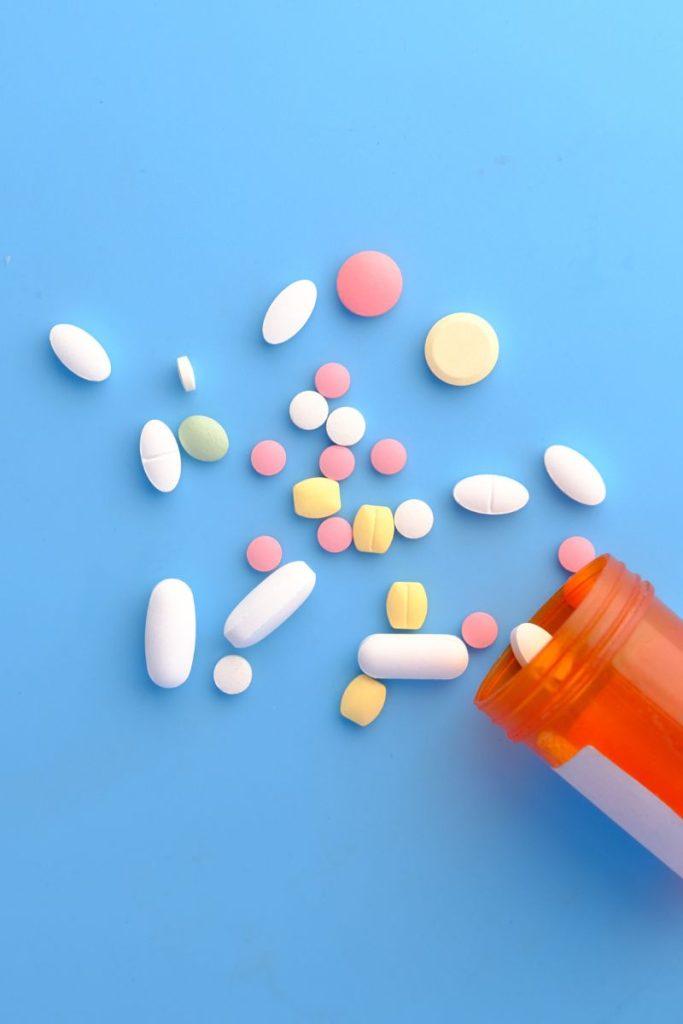
Medications save lives. They manage chronic conditions, fight infections, control pain, and support mental health. But medications are also one of the leading causes of accidental poisoning in children and one of the most preventable sources of harm across all ages when the right knowledge is in place. Medication safety is a life skill.
This guide is your comprehensive resource for medication safety at home and beyond. Whether you’re a homeschooling parent looking to add real-world health literacy to your curriculum, a student building foundational health science skills, or a family simply wanting to do better, you’re in the right place.
As a licensed pharmacist with over two decades of experience — and a homeschool educator — I’ve seen firsthand what happens when medication knowledge is missing. I’ve also seen what becomes possible when families are genuinely educated.
Why Medication Safety Matters
Every year in the United States, medication errors cause harm to millions of people. The statistics are sobering:
- Poison Control Centers receive over 2 million calls per year related to medication exposures, and a significant portion involve children under 6.
- Medication errors are among the top causes of preventable harm in both hospital and home settings.
- Adolescents and teens are increasingly at risk for misuse of prescription medications, including stimulants, opioids, and over-the-counter sleep aids.
- Older adults are particularly vulnerable due to polypharmacy, the simultaneous use of multiple medications, which dramatically increases the risk of dangerous interactions.
The good news?
The vast majority of medication errors are entirely preventable with education, awareness, and consistent habits.
For homeschooling families, this topic holds special significance. You have the unique opportunity to weave medication safety into your health science curriculum in a way that builds genuine understanding, not just memorized rules. When children learn why medications work the way they do, they internalize caution naturally.
They become informed participants in their own healthcare rather than passive bystanders.
This isn’t just health education. It’s life skills education.
Understanding Medications: The Basics Every Family Should Know
Before we can talk about safety, we need a shared vocabulary. Next, here are the foundational concepts that anchor medication safety education:
Prescription vs. Over-the-Counter (OTC) Medications
Prescription medications require authorization from a licensed healthcare provider because they carry higher risks, require monitoring, or treat conditions that need professional diagnosis. OTC medications are available without a prescription but are not without risk. In addition, they can still cause side effects, interact with other drugs, and be dangerous in the wrong dose.
Active Ingredients
Every medication has one or more active ingredients, as a result, the chemical compounds that actually produce the therapeutic effect. Many products with different brand names contain the same active ingredient. Taking multiple products simultaneously (such as a cold medicine and a pain reliever) can inadvertently lead to a double dose of the same ingredient, particularly acetaminophen.
Dosing and Weight-Based Calculations
Moving on to the next misunderstanding. Adult dosing is not simply a “bigger version” of pediatric dosing. For children especially, dose is calculated based on weight and sometimes age. Using an adult dose in a child, or guessing at a pediatric dose, is one of the most common sources of medication harm at home.
Expiration Dates
Medications degrade over time. Although some lose potency (becoming less effective), a small number can become harmful. Expiration dates are not just suggestions, they reflect the manufacturer’s tested guarantee of stability and safety.
Storage
Lastly today we’ll cover temperature. Temperature, humidity, and light can all affect medication stability. The bathroom medicine cabinet, ironically, is one of the worst places to store medications due to heat and humidity.
Storage requirements can vary, but most medications should be stored at room temperature in a cool, dry place, away from children’s reach.
Age-Appropriate Medication Safety Skills
One of my core beliefs as a pharmacist-educator is that medication safety isn’t a single conversation, it’s a developmental journey.
Here’s how I prefer to introduce and build these skills at each stage:
Young Children (Ages 3–6): Recognition and Rules
At this stage, the goal is simple and non-negotiable: medications are not candy, and children never take medicine without a grown-up.
Key concepts for this age:
- Medications are only given by trusted adults (parents, caregivers, doctors)
- Never touch or taste something that looks like a pill, even if it looks like candy
- If a child finds loose pills or a bottle, they tell an adult immediately
- Poison Control exists (post the number: 1-800-222-1222)
Activities that work well: sorting games that distinguish “food” from “not food,” reading age-appropriate books about going to the doctor, and role-playing scenarios where a child practices saying “I need to ask a grown-up first.”
Elementary Age (Ages 7–10): Understanding and Habits
Children in this range can begin to understand the why behind medication rules. They’re ready for more nuance.
Key concepts:
- Why we read labels (every medicine has instructions for a reason)
- What side effects are and why they happen
- Why we don’t share medications, even with friends who “have the same thing”
- The difference between prescription and OTC medications
- What happens when someone takes too much (introducing the concept of overdose in an age-appropriate way)
Activities that work well: reading real OTC labels together, practicing measuring liquid medications with an oral syringe vs. a kitchen spoon, discussing why a friend’s prescription doesn’t belong to you.
Middle School (Ages 11–13): Critical Thinking and Self-Advocacy
This is a pivotal age. Students are beginning to manage their own health to some degree. Maybe taking their own medications, ordering their own refills, being more independent. Peer influence around substance use begins.
Key concepts:
- Reading and interpreting drug facts labels independently
- Drug interactions (vocabulary): basic understanding of what that means and why it matters
- The risks of medication misuse and the difference between use, misuse, and abuse
- How to ask a pharmacist or doctor a question (parent/guardian approved self-advocacy skills)
- Understand what a clinical trial is
Activities that work well: comparing the labels of two similar products, interviewing a pharmacist (great project for homeschoolers!).
High School (Ages 14–18): Advanced Literacy and Personal Responsibility
Teens need medication literacy that matches their increasing independence. This is also when education around opioid safety, mental health medications, and substances becomes critically important.
Key concepts:
- Polypharmacy and drug-drug interactions in depth
- Super basic pharmacokinetics (how drugs are absorbed, distributed, metabolized, and eliminated). An excellent introductory science topic along with learning body systems / anatomy and physiology
- The opioid epidemic: history, science, and prevention
- Safe storage and disposal of medications
- Basics on how to read a medication guide or package insert
Activities that work well: reviewing a sample prescription label for accuracy, researching a current medication safety topic and presenting it.
Common Medication Safety Mistakes (And How to Avoid Them)
Even careful, well-intentioned families make these errors. Knowing them is the first step to preventing them.
1. Using a kitchen spoon to measure liquid medication A standard kitchen teaspoon can hold anywhere from 3–7 mL of liquid. The dose on the label assumes exactly 5mL. Always use the measuring device that comes with the medication, or an oral syringe from your pharmacy.
2. Doubling up on acetaminophen Acetaminophen (the active ingredient in Tylenol) is found in hundreds of products. Cold medicines, sleep aids, prescription combination pain relievers, and more. Taking two products containing acetaminophen simultaneously is extremely common and can cause serious liver damage. Always check every label for active ingredients.
3. Stopping antibiotics early When someone feels better after a few days of antibiotics, it’s tempting to stop the medication. But completing the full course is essential to fully eliminate the infection and reduce the risk of antibiotic resistance.
4. Sharing prescription medications Even when two people appear to have the same condition, prescription medications are prescribed based on individual health history, weight, kidney function, other medications, and many other factors. What’s safe and effective for one person can be dangerous for another.
5. Storing medications improperly Medications left on counters, in hot cars, or in unlocked cabinets within reach of children create unnecessary risk. All medications, including vitamins and supplements, should be stored up and away, in locked or child-resistant containers.
6. Not disposing of unused medications Medications that are no longer needed shouldn’t sit in the medicine cabinet indefinitely. Unused medications, especially controlled substances like opioids, are a leading source of misuse. Use FDA-approved drug take-back programs or follow FDA disposal guidelines.
7. Skipping the pharmacist Pharmacists are the most accessible healthcare professionals in the United States. No appointment needed. Yet most people never think to ask their pharmacist about interactions, side effects, or proper administration. This is a deeply underused resource.
Medication Safety at Home: Building Systems That Work
Knowledge alone isn’t enough. Families also need systems. Practical habits and structures that support safe medication use every day.
Create a Medication List Every household should maintain an up-to-date list of every medication taken by every family member, including prescriptions, OTC medications, vitamins, and supplements. This list should travel to every medical appointment and be updated whenever anything changes.
Centralize and Secure Storage Designate one location for medication storage. Make sure it’s inaccessible to young children (high shelves, locked cabinets), away from heat and humidity, and organized so that you can always find what you need and spot what’s expired.
Use a Pill Organizer for Complex Regimens For family members taking multiple daily medications, a weekly pill organizer dramatically reduces missed doses and accidental double-dosing. It also makes it easy to see at a glance whether a dose was taken.
Post Poison Control The number for the American Association of Poison Control Centers is 1-800-222-1222. Post it somewhere visible. Save it in every family member’s phone. Know that Poison Control is staffed 24/7 by specialists who can guide you through any exposure.
Schedule Annual Medication Reviews At least once a year, review all medications in the household with your pharmacist or physician. This is especially important for households with elderly members taking multiple medications.
Special Topics in Medication Safety
Opioid Safety in the Home
The opioid epidemic has touched communities across the country. Even families who have never personally misused opioids may have them in the home following a surgery or injury. Key safety practices:
- Store opioid medications in a locked location
- Never share, even with someone in pain
- Dispose of unused opioids promptly at a take-back location
- Consider keeping naloxone (Narcan) on hand. It’s now available OTC and can reverse an opioid overdose
Medication Safety for Children with Chronic Conditions
Children who take daily medications for conditions like ADHD, asthma, or diabetes have additional considerations. These families benefit enormously from teaching children, age-appropriately, what their medication does, what happens if they miss a dose, and what symptoms warrant a call to the doctor.
Supplements Are Not “Safe Because They’re Natural”
Vitamins, herbal supplements, and “natural” products are medications in every meaningful pharmacological sense.
They can interact with prescription medications, have side effects, and cause harm in excess amounts.
Melatonin, elderberry, vitamin D, and fish oil are all examples of supplements with real pharmacological activity. Treat them accordingly.
Resources Every Family Should Know
Poison Control American Association of Poison Control Centers: 1-800-222-1222 | www.poison.org
Drug Take-Back Programs DEA National Prescription Drug Take-Back Day (held twice yearly) | www.deadiversion.usdoj.gov Many local pharmacies also accept unused medications year-round.
FDA Drug Information www.fda.gov/drugs — Access drug approvals, safety alerts, and the Drug Facts label tutorial
MedlinePlus medlineplus.gov — Plain-language drug information from the National Library of Medicine, excellent for students and families
DailyMed dailymed.nlm.nih.gov — Full prescribing information for medications, great for high school health science study
Institute for Safe Medication Practices (ISMP) www.ismp.org — Leading nonprofit dedicated to medication error prevention; excellent professional-level resource
Medication Safety Classes and Speaking Engagements
As a pharmacist and homeschool educator, I offer medication safety education that is curriculum-aligned, engaging, and grounded in real clinical experience, not just textbook definitions.
Online Classes for Homeschoolers
My medication safety classes are designed to fit seamlessly into a health science curriculum and are available for multiple age levels:
Medication Safety 101: Elementary Level (Ages 8–11) An engaging introduction to what medications are and why safety rules exist. Students complete hands-on activities and a Poison Control awareness segment.
Health Science Essentials: Pharmacology for Middle Schoolers (Ages 11–14) A deeper dive into how medications work in the body, body systems connection, basic drug interaction concept understanding, OTC vs. prescription medication discussion, and real-world self-advocacy skills. This course meets science enrichment requirements and builds health literacy that lasts.
Advanced Health Science: Medication Literacy for High School Students (Ages 14–18) Designed for students interested in healthcare careers or simply wanting genuine pharmaceutical literacy. Topics include basic pharmacokinetics, reading package inserts, opioid awareness, polypharmacy, and medication error prevention. Dual-purpose for science and health elective classes.
Live and Virtual Speaking Engagements
I am available for presentations, workshops, and co-ops on medication safety topics, including:
- Medication Safety in the Home: A Family Workshop
- Raising Medication-Literate Kids: A Guide for Homeschool Parents
- Opioid Awareness and Prevention for Teen Audiences
- Health Science Career Pathways: What It’s Like to Be a Pharmacist
Homeschool Co-op and Group Classes
I regularly offer small-group and co-op sessions for local and virtual homeschool communities. These sessions are interactive, discussion-based, and customized to the age range of your group.
Why Learn This from a Pharmacist?
Health information is everywhere, but not all of it is accurate, current, or delivered with clinical context. As a licensed Pharm.D. with over 20 years of experience working directly with patients, physicians, communities, families, and even working as a subject matter expert along non-health colleagues in emergency planning, I bring something unique: real world experience made engaging for young inquisitive minds.
I’ve counseled patients on medications ranging from simple antibiotics to complex chemotherapy regimens. I’ve caught drug interactions before they caused harm. I’ve talked with families in moments of crisis after accidental ingestions. And I’ve watched, over and over again, how a little genuine education in a patient, non-intimidating environment changes everything.
When your student learns medication safety from me, they’re not getting a watered-down summary. They’re getting the real thing taught in a way that’s accessible, engaging, and memorable.
Have a question about medication safety or want to bring this education to your family or co-op? Reach out here. I’d love to hear from you.
Disclaimer: The information on this page is intended for general educational purposes only and does not constitute medical advice. Always consult your personal licensed healthcare provider for guidance specific to your family’s health needs.